Cur chuige nua claochlaitheach BIÉ i leith sonraí a bhailiú maidir le riocht an Ghréasáin Bóithre Náisiúnta (NRN)
Tá comhghleacaithe sa Bhainistíocht Gréasáin i ndiaidh cur chuige faisnéise sócmhainní sonraíbhunaithe IS-chumasaithe a athraíonn ó bhonn an bealach ina ndéantar faisnéis maidir le riocht an bhonneagair dromchlaí bóthair a bhailiú, a anailísiú agus a bhainistiú ar fud na ngréasán bóithre náisiúnta agus taistil ghníomhaigh araon. Tá sé i ndiaidh cúrsaí a athrú ó bhonn do bhainisteoirí sócmhainní, innealtóirí agus cinnteoirí BIÉ atá freagrach as bóithre náisiúnta agus bonneagar taistil ghníomhaigh a chothabháil, agus don phobal a bhíonn ag taisteal — lena n-áirítear tiománaithe, rothaithe agus coisithe — a bhíonn ag brath ar bhonneagar sábháilte ar ardchaighdeán.
Cén fhadhb a réitigh siad?
Bainistíonn BIÉ gréasán bóithre náisiúnta (5,300+ km) ar fiú é agus €31 billiún agus gréasán taistil ghníomhaigh atá ag dul i méid go han-tapa ar fad (glasbhealaí agus rotharbhealaí). Roimh an tionscadal seo, ba iad suirbhéanna meaisín tréimhsiúla (m.sh., RSP, LCMS, SCRIM) agus imscrúduithe ar an láthair na príomhbhealaí a ndearnadh riocht na sócmhainní a mheas. Tugadh faoi na himscrúduithe sin ar bhonn timthriallta ilbhlianta, agus mar thoradh air sin bhíodh moill ó thaobh lochtanna a shainaithint agus acmhainn theoranta ann chun monatóireacht a dhéanamh ar mheath idir suirbhéanna.
Tá cúig phríomhghné i gceist leis an réiteach:
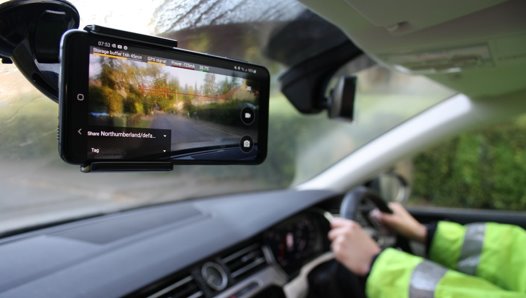
1. Bailiú Sonraí Inscálaithe Ísealchostais
Thug siad isteach úsáid ghutháin chliste agus cheamara chun sonraí a bhailiú (m.sh., GoPro, aipeanna gutháin) chomh maith le suirbhéanna traidisiúnta chun físeáin agus íomhánna geoshuite a ghlacadh ar fud an ghréasáin ar scála. Méadaíonn an cur chuige seo an clúdach go suntasach agus ag an am céanna laghdaítear an brath ar shainfheithiclí suirbhé costasacha.
2. IS agus Físanailísíocht Ríomhaire
Trí úsáid a bhaint as Ardáin atá bunaithe ar IS, déantar na sonraí a fhaightear a phróiseáil go huathoibríoch chun críche:
- Lochtanna a aithint (m.sh., scoilteadh, sclaigeanna, meath dromchla)
- Riocht sócmhainní a rangú
- Scóir chaighdeánaithe bhaile a ghiniúint (innéacs 0-100)
Tagann seo in ionad an léirmhínithe de láimh le haschuir sheasmhacha, oibiachtúla agus in-athdhéanta.
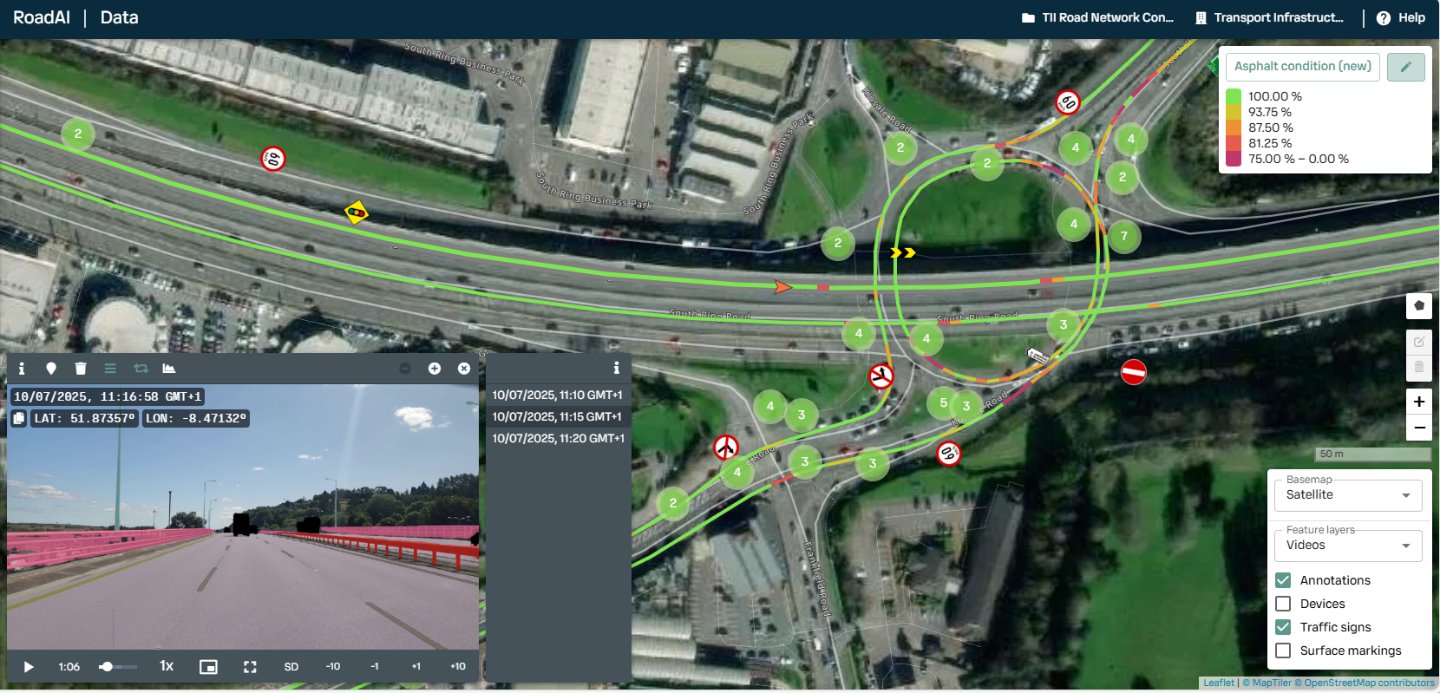
3. Comhtháthú Roinnt Foinsí Sonraí
Comhtháthaíonn an réiteach:
- Físanailísíocht IS
- Sonraí meaisínshuirbhé traidisiúnta
- Suirbhéanna LiDAR (m.sh., Xenobike le haghaidh sócmhainní taistil ghníomhaigh)
Cruthaíonn sé sin tacar aontaithe sonraí amháin ar fud na gcineálacha ar fad sócmhainní, rud a fheabhsaíonn an inchomparáideacht agus an chinnteoireacht.
4. Ardáin agus Uirlisí Cinnteoireachta Néalbhunaithe
Déantar na sonraí ar fad a phróiseáil agus a amharcléiriú trí:
- Ardáin bunaithe ar GIS (m.sh., ArcGIS)
- Deaiseanna agus uirlisí tuairiscithe bunaithe ar an ngréasán
5. Sonraí Feithicle Nasctha
Cuireann Sonraí Ghairbhe an Bhóthair (IRA) ó Thacar Sonraí NIRA Dynamics Volkswagen monatóireacht baile nach mór fíorama ar fáil ar Shonraí Ghairbhe an Bhóthair.
Céard iad na buntáistí?
- Rochtain nach mór fíorama ar shonraí maidir le bail na sócmhainní
- Amharcléiriú éasca de lochtanna agus treochtaí
- Sonraí is féidir a easpórtáil don phleanáil saolré agus do chinntí infheistíochta
An tAthrú ó Bhonn atá ann mar thoradh
Le chéile, aistríonn na gnéithe sin BIÉ ó bhainistíocht sócmhainní thréimhsiúil, bunaithe ar imscrúduithe, go faisnéis sonraí leanúnach, bunaithe ar shonraí agus IS-chumasaithe. Soláthraíonn sé seo feiceálacht ar fud an ghréasáin, feabhsaíonn sé éifeachtúlacht, agus tacaíonn sé le straitéisí cothabhála réamhghníomhacha agus tuarthacha.
D’éirigh leis an tionscadal seo áit a fháil ar ghearrliosta na gcraobhiomaitheoirí sa chatagóir Digiteáil an Bhonneagair, Sócmhainní & na Timpeallachta Tógtha ag Gradam Ríomhsheirbhísí Rialtais Éireann.
Chuir Gerard O’Dea agus Stephen Smyth an tionscadal seo, AI Driven Asset Intelligence: Transforming Ireland's Transport Networks For A Resilient Future i láthair ag comhdháil bhliantúil 2026 na hInstitiúide um Bainistíocht Sócmhainní i mí an Mheithimh 2026. Is féidir breathnú ar na sleamhnáin ón gcur i láthair anseo.